In today’s fast-paced digital world, businesses need smarter ways to connect with customers. Enter CRM for Sales and Marketing Automation — the ultimate game-changer that’s transforming how companies grow.
What Is CRM for Sales and Marketing Automation?
Customer Relationship Management (CRM) integrated with sales and marketing automation is no longer a luxury — it’s a necessity for modern businesses aiming to scale efficiently. At its core, CRM for Sales and Marketing Automation combines tools that manage customer interactions with automated workflows to streamline outreach, nurture leads, and close deals faster.


Defining CRM and Automation
A CRM system is a centralized platform that stores customer data, tracks interactions, and helps manage relationships across the customer lifecycle. When paired with automation, it enables businesses to trigger actions — like sending emails, assigning tasks, or updating records — without manual intervention.
- CRM manages customer data and interactions.
- Automation executes repetitive marketing and sales tasks.
- Together, they create a seamless, data-driven workflow.
“The fusion of CRM and automation is like giving your sales and marketing teams a superpower — precision at scale.” — Forbes Insights, 2023
How CRM and Automation Work Together
Imagine a lead fills out a form on your website. Instead of waiting for a sales rep to follow up, your CRM for Sales and Marketing Automation instantly logs the lead, tags them based on behavior, sends a personalized welcome email, and assigns the lead to the right salesperson — all in real time.
This synergy reduces response time, increases conversion rates, and ensures no opportunity slips through the cracks. Platforms like Salesforce and HubSpot exemplify this integration, offering end-to-end solutions that blend CRM functionality with powerful automation engines.
Key Features of CRM for Sales and Marketing Automation
To truly understand the power of CRM for Sales and Marketing Automation, it’s essential to explore its core features. These components are what make the system intelligent, responsive, and scalable.
Lead Management and Scoring
One of the most impactful features is automated lead management. CRM systems can capture leads from multiple channels — websites, social media, webinars, and ads — and automatically score them based on predefined criteria like engagement level, job title, or company size.
- Leads are prioritized based on behavior and demographics.
- High-scoring leads are routed to sales teams immediately.
- Low-scoring leads enter nurturing campaigns via email automation.
This ensures that sales teams focus on the most qualified prospects, improving efficiency and conversion rates. According to MarketingProfs, companies using lead scoring see a 77% increase in lead conversion rates.
Email and Campaign Automation
Email remains one of the highest ROI marketing channels, and CRM for Sales and Marketing Automation supercharges it. Automated workflows can send personalized emails based on triggers like form submissions, website visits, or purchase history.
For example, if a user downloads a whitepaper, the system can automatically enroll them in a 5-part email series about related topics, gradually guiding them toward a purchase decision.
- Drip campaigns nurture leads over time.
- Behavior-based triggers personalize content delivery.
- A/B testing optimizes subject lines and CTAs.
“Automated email campaigns generate 320% more revenue than non-automated ones.” — DMA, 2022
Sales Pipeline and Forecasting Tools
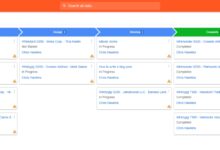
CRM systems provide visual sales pipelines that track deals from initial contact to close. Automation enhances this by updating deal stages, sending reminders for follow-ups, and predicting revenue based on historical data.
Advanced CRMs use AI to analyze past performance and forecast future sales with high accuracy. This helps leadership make informed decisions about resource allocation, hiring, and growth strategies.
- Real-time pipeline visibility improves team accountability.
- Forecasting models reduce guesswork in revenue planning.
- Automated task reminders keep deals moving forward.
Top 7 Benefits of CRM for Sales and Marketing Automation
Implementing CRM for Sales and Marketing Automation isn’t just about technology — it’s about transformation. Here are seven powerful benefits that can redefine your business operations.
1. Increased Sales Efficiency
Sales teams spend nearly 64% of their time on non-selling activities like data entry, follow-up emails, and scheduling. CRM for Sales and Marketing Automation eliminates much of this busywork.
Automated data capture, task assignment, and follow-up sequences allow reps to focus on high-value conversations. For example, when a lead opens an email three times, the system can flag them as hot and notify the sales rep instantly.
- Reduces manual data entry by up to 80%.
- Automates follow-ups and appointment scheduling.
- Improves sales rep productivity and morale.
According to Nucleus Research, businesses see an average of $8.71 return for every dollar spent on CRM.
2. Enhanced Customer Experience
Today’s customers expect personalized, timely interactions. CRM for Sales and Marketing Automation delivers exactly that by leveraging customer data to tailor communications.
When a customer visits your pricing page multiple times, the system can trigger a personalized offer or connect them with a live chat agent. This level of responsiveness builds trust and loyalty.
- Personalized messaging increases engagement.
- Real-time responses improve customer satisfaction.
- Consistent communication across channels strengthens brand image.
“73% of customers expect companies to understand their unique needs and expectations.” — Salesforce State of the Connected Customer Report
3. Improved Lead Conversion Rates
One of the biggest challenges in sales is converting leads into customers. CRM for Sales and Marketing Automation addresses this by nurturing leads with targeted content and timely outreach.
Studies show that nurtured leads make 47% larger purchases than non-nurtured leads. Automation ensures that every lead receives the right message at the right time, increasing the chances of conversion.
- Automated drip campaigns keep leads engaged.
- Lead scoring identifies the best prospects early.
- Behavioral triggers prompt immediate follow-up.
Companies using marketing automation see a 50% increase in sales-ready leads, according to Marketo.
4. Data-Driven Decision Making
Gone are the days of making decisions based on gut feeling. CRM for Sales and Marketing Automation provides real-time analytics and dashboards that reveal insights into customer behavior, campaign performance, and sales trends.
Marketing teams can see which campaigns generate the most leads, while sales leaders can identify bottlenecks in the pipeline. This data empowers teams to optimize strategies and allocate resources more effectively.
- Real-time reporting enhances strategic planning.
- Performance tracking identifies top-performing channels.
- Predictive analytics forecast future outcomes.
5. Seamless Team Collaboration
Silos between sales and marketing teams can cripple growth. CRM for Sales and Marketing Automation breaks down these barriers by providing a shared platform where both teams can access the same data and track progress.
Marketing can see which leads convert, allowing them to refine targeting. Sales can provide feedback on lead quality, helping marketing improve campaigns. This alignment leads to a unified strategy and better results.
- Shared dashboards improve transparency.
- Internal notifications keep teams aligned.
- Feedback loops enhance campaign effectiveness.
A study by HubSpot found that companies with tightly aligned sales and marketing teams achieve 36% higher customer retention and 38% higher sales win rates.
6. Scalability and Growth
As businesses grow, managing customer relationships manually becomes unsustainable. CRM for Sales and Marketing Automation scales with your business, handling thousands of leads and interactions without additional overhead.
Whether you’re adding new team members, launching in new markets, or increasing product lines, the system adapts seamlessly. Automation ensures consistency in messaging and follow-up, even during rapid expansion.
- Handles increased volume without added labor.
- Supports multi-channel marketing at scale.
- Enables global teams to work from a single platform.
7. Higher ROI and Cost Efficiency
While implementing a CRM system requires an initial investment, the long-term return is substantial. Automation reduces labor costs, increases conversion rates, and shortens sales cycles — all contributing to higher profitability.
For example, a company spending $10,000 on a CRM system might save $50,000 annually in reduced labor and increased sales. The cost per lead drops significantly as automation handles repetitive tasks.
- Reduces customer acquisition costs (CAC).
- Increases lifetime value (LTV) through better retention.
- Maximizes marketing budget efficiency.
“Businesses using CRM report a 41% increase in revenue within the first year.” — Capterra
How to Choose the Right CRM for Sales and Marketing Automation
Not all CRM systems are created equal. Choosing the right one depends on your business size, industry, goals, and technical capabilities. Here’s how to make the best decision.
Assess Your Business Needs
Start by identifying your pain points. Are you struggling with lead follow-up? Is your sales team overwhelmed with admin tasks? Do marketing campaigns lack consistency?
Map out your customer journey and pinpoint where automation can add value. For example, if most leads come from webinars, look for a CRM that integrates with webinar platforms and automates post-event follow-ups.
- Identify key workflows to automate.
- Determine required integrations (email, social, ads).
- Define success metrics (conversion rate, response time).
Evaluate Integration Capabilities
Your CRM should work seamlessly with existing tools like email platforms, social media, e-commerce systems, and analytics software. Poor integration leads to data silos and inefficiencies.
Look for CRMs with robust API support and pre-built connectors. Platforms like Zapier or Make (formerly Integromat) can bridge gaps between systems, but native integrations are always preferable.
- Check compatibility with your tech stack.
- Ensure two-way data sync between systems.
- Test integration stability during trials.
Consider User Experience and Training
A powerful CRM is useless if your team won’t use it. Prioritize user-friendly interfaces and mobile accessibility. A cluttered, complex system leads to low adoption and wasted investment.
Look for vendors that offer onboarding, training, and ongoing support. Some, like HubSpot, provide free certification courses to help teams get up to speed quickly.
- Test the interface with actual team members.
- Check mobile app functionality.
- Review available training resources.
Top CRM Platforms for Sales and Marketing Automation
With so many options available, choosing the right CRM can be overwhelming. Here’s a breakdown of the top platforms that excel in CRM for Sales and Marketing Automation.
Salesforce
Salesforce is the industry leader, offering a comprehensive suite of tools for sales, marketing, and service. Its Marketing Cloud and Sales Cloud are deeply integrated, enabling powerful automation workflows.
- Highly customizable with extensive app ecosystem.
- Advanced AI features (Einstein Analytics).
- Ideal for mid to large enterprises.
While powerful, Salesforce has a steeper learning curve and higher cost. Visit salesforce.com to explore pricing and demos.
HubSpot
HubSpot is renowned for its user-friendly interface and all-in-one platform. It combines CRM, marketing, sales, and service hubs in a single, intuitive system.
- Free CRM with robust automation features.
- Excellent for small to mid-sized businesses.
- Strong content and email marketing tools.
HubSpot’s academy offers free training, making adoption easier. Learn more at hubspot.com.
ActiveCampaign
ActiveCampaign stands out for its advanced automation capabilities, especially in behavioral tracking and conditional logic.
- Precise automation based on user behavior.
- Strong email marketing and CRM integration.
- Affordable pricing for SMBs.
It’s ideal for businesses focused on personalized, data-driven campaigns. Explore it at activecampaign.com.
Common Challenges and How to Overcome Them
Despite its benefits, implementing CRM for Sales and Marketing Automation isn’t without challenges. Being aware of these pitfalls helps ensure a smoother rollout.
Low User Adoption
One of the biggest reasons CRM implementations fail is low team adoption. Employees may resist change, especially if the system is complex or poorly introduced.
To overcome this, involve key team members in the selection process, provide hands-on training, and highlight how the system makes their jobs easier. Start with simple automations and gradually introduce advanced features.
- Involve users in the decision-making process.
- Provide ongoing training and support.
- Show immediate benefits to gain buy-in.
Data Quality Issues
Garbage in, garbage out. If your CRM is filled with outdated or inaccurate data, automation will amplify the problem. Duplicate entries, missing fields, or incorrect contact info can derail campaigns.
Implement data validation rules, conduct regular cleanups, and use tools that verify email addresses and phone numbers. Encourage team members to update records in real time.
- Set mandatory fields for data entry.
- Use data enrichment tools like Clearbit or ZoomInfo.
- Schedule quarterly data audits.
Over-Automation and Impersonal Communication
While automation saves time, overdoing it can make your brand feel robotic. Sending too many emails or using generic messages can alienate customers.
Balance automation with personalization. Use dynamic content, segment your audience, and allow opt-outs. Monitor engagement metrics to ensure messages resonate.
- Segment audiences based on behavior and preferences.
- Use merge tags for personalized content.
- Test tone and frequency regularly.
“Automation should enhance human connection, not replace it.” — Ann Handley, Chief Content Officer at MarketingProfs
Future Trends in CRM for Sales and Marketing Automation
The landscape of CRM for Sales and Marketing Automation is evolving rapidly. Staying ahead of trends ensures your business remains competitive and customer-centric.
AI and Predictive Analytics
Artificial Intelligence is no longer science fiction — it’s a core component of modern CRM systems. AI analyzes vast amounts of data to predict customer behavior, recommend next-best actions, and even draft emails.
For example, Salesforce Einstein can predict which leads are most likely to convert and suggest the best time to call. HubSpot uses AI to score content engagement and recommend follow-up steps.
- AI-driven insights improve decision-making.
- Predictive lead scoring enhances targeting.
- Natural language processing (NLP) powers chatbots and email assistants.
Hyper-Personalization
Customers no longer respond to one-size-fits-all messaging. The future of CRM for Sales and Marketing Automation lies in hyper-personalization — delivering the right message, to the right person, at the right moment.
Using real-time data from browsing behavior, purchase history, and social interactions, systems can tailor content dynamically. Imagine a website that changes its homepage based on the visitor’s industry and past engagement.
- Dynamic content adapts to user profiles.
- Behavioral triggers deliver context-aware messages.
- Personalization increases conversion and loyalty.
Integration with Conversational AI
Chatbots and voice assistants are becoming integral to customer engagement. CRM systems are now integrating with conversational AI to provide 24/7 support, qualify leads, and schedule meetings.
For instance, a chatbot on your website can capture lead info, check availability, and book a demo — all while updating the CRM in real time. This reduces friction and accelerates the sales cycle.
- Chatbots handle initial inquiries and qualification.
- Voice assistants integrate with CRM for hands-free updates.
- Conversational data enriches customer profiles.
Platforms like Intercom and Drift are leading this trend, offering conversational CRM solutions.
What is CRM for Sales and Marketing Automation?
CRM for Sales and Marketing Automation is a unified system that combines customer relationship management with automated workflows to streamline lead management, personalize communication, and improve sales efficiency.
How does automation improve sales productivity?
Automation reduces time spent on manual tasks like data entry, follow-ups, and scheduling, allowing sales teams to focus on closing deals. It also ensures timely communication and lead prioritization.
Can small businesses benefit from CRM automation?
Absolutely. Platforms like HubSpot and ActiveCampaign offer affordable, scalable solutions tailored for small businesses, helping them compete with larger enterprises.
What are the risks of over-automating?
Over-automation can lead to impersonal communication, customer fatigue, and reduced engagement. It’s crucial to balance automation with human touch and personalization.
Which CRM is best for marketing automation?
HubSpot and ActiveCampaign are top choices for marketing automation due to their intuitive interfaces, powerful workflows, and strong email marketing capabilities.
CRM for Sales and Marketing Automation is no longer optional — it’s the backbone of modern growth strategies. From boosting efficiency to delivering personalized experiences, the benefits are clear and measurable. By choosing the right platform, addressing common challenges, and embracing future trends, businesses can unlock unprecedented levels of success. The future of sales and marketing isn’t just automated — it’s intelligent, responsive, and customer-first.
CRM for Sales and Marketing Automation – CRM for Sales and Marketing Automation menjadi aspek penting yang dibahas di sini.
Recommended for you 👇
Further Reading: