Customer Relationship Management for E-commerce: 7 Powerful Strategies to Skyrocket Loyalty

In the fast-paced world of online shopping, mastering Customer Relationship Management for E-commerce isn’t just smart—it’s essential. This guide reveals 7 proven strategies to build lasting customer loyalty and boost your bottom line.
Customer Relationship Management for E-commerce: Why It’s a Game-Changer

In today’s hyper-competitive digital marketplace, simply selling a product isn’t enough. Customers expect personalized experiences, swift support, and brands that understand their needs. This is where Customer Relationship Management for E-commerce steps in as a transformative force. Unlike traditional CRM systems designed for B2B or service industries, e-commerce CRM focuses on managing high-volume, fast-moving customer interactions across digital touchpoints like websites, mobile apps, social media, and email.




According to a report by Salesforce, 84% of customers say the experience a company provides is as important as its products or services. For e-commerce businesses, this means that how you manage customer data, personalize communication, and resolve issues directly impacts retention, lifetime value, and brand reputation.
Effective CRM in e-commerce allows businesses to move from transactional relationships to emotional connections. It empowers brands to anticipate customer needs, deliver relevant offers, and create seamless shopping journeys. Whether you’re a startup or a scaling enterprise, investing in a robust CRM strategy is no longer optional—it’s a competitive necessity.
Defining E-commerce CRM in the Digital Age
Customer Relationship Management for E-commerce refers to the strategies, technologies, and practices used to manage and analyze customer interactions and data throughout the customer lifecycle. The goal is to improve customer service, drive sales growth, and enhance loyalty. Unlike traditional CRM, which often focuses on long sales cycles and personal relationships, e-commerce CRM deals with shorter decision-making timelines and automated, data-driven engagement.
Key components include customer data collection, segmentation, automation, analytics, and omnichannel communication. Platforms like Zoho CRM and HubSpot have evolved to support e-commerce integrations, enabling real-time syncing of customer behavior from online stores.
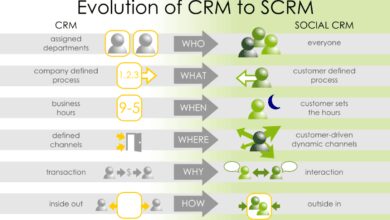
The Evolution from Traditional CRM to E-commerce CRM
Traditional CRM systems were built for managing leads, tracking sales pipelines, and logging customer service tickets—primarily in B2B environments. However, the rise of online shopping, mobile commerce, and social selling has demanded a shift. E-commerce CRM now integrates with platforms like Shopify, WooCommerce, and Magento to capture behavioral data such as browsing history, cart abandonment, purchase frequency, and product preferences.
This evolution allows for dynamic personalization. For example, if a customer views a pair of running shoes but doesn’t buy, an e-commerce CRM can trigger a follow-up email with a discount on that exact product or recommend complementary items like socks or insoles. This level of automation and insight was unimaginable in legacy CRM systems.
“The future of e-commerce isn’t just about selling more—it’s about knowing your customers better.” — Mary Barra, CRM Strategist
Key Components of Customer Relationship Management for E-commerce
To build a successful CRM strategy for your online store, you need to understand its core components. These elements work together to create a cohesive system that captures, analyzes, and acts on customer data. Let’s break down the essential building blocks of Customer Relationship Management for E-commerce.
Customer Data Collection and Integration
The foundation of any CRM system is data. In e-commerce, this includes not only basic contact information but also behavioral data such as page views, time spent on site, click-through rates, and purchase history. Modern CRM platforms integrate with e-commerce platforms, payment gateways, and marketing tools to create a unified customer profile.
For instance, integrating your Shopify store with Klaviyo allows you to track customer journeys from first visit to post-purchase follow-up. This data becomes the fuel for personalized marketing campaigns and predictive analytics.
Customer Relationship Management for E-commerce – Customer Relationship Management for E-commerce menjadi aspek penting yang dibahas di sini.
- Collect email addresses, phone numbers, and social media profiles
- Track on-site behavior using cookies and UTM parameters
- Synchronize data across platforms via APIs
Segmentation and Personalization
One-size-fits-all marketing is dead. Customer Relationship Management for E-commerce thrives on segmentation—dividing your audience into groups based on behavior, demographics, or purchase history. This enables hyper-targeted messaging that resonates with specific customer needs.
For example, you can create segments like:
- First-time buyers
- Repeat customers
- Cart abandoners
- High-LTV (Lifetime Value) customers
Once segmented, you can personalize emails, product recommendations, and landing pages. According to Bain & Company, companies that excel at personalization generate 40% more revenue from those activities than average players.
Automation and Workflow Management
Manual follow-ups don’t scale. Automation is the engine that powers efficient Customer Relationship Management for E-commerce. From welcome emails to post-purchase surveys, automated workflows ensure timely and consistent communication.
Common CRM automations include:
- Abandoned cart recovery sequences
- Birthday or anniversary discounts
- Re-engagement campaigns for inactive users
- Post-purchase upsell and cross-sell offers
Tools like ActiveCampaign and Omnisend offer visual workflow builders that make it easy to design complex customer journeys without coding.
7 Powerful CRM Strategies for E-commerce Success
Now that we’ve covered the basics, let’s dive into seven powerful strategies that leverage Customer Relationship Management for E-commerce to drive growth, loyalty, and profitability. These aren’t just theoretical concepts—they’re battle-tested tactics used by top-performing online brands.
1. Implement a 360-Degree Customer View
A 360-degree customer view means having a complete, real-time understanding of every interaction a customer has with your brand. This includes their purchase history, support tickets, email engagement, social media activity, and browsing behavior.
To achieve this, integrate your CRM with all customer-facing platforms. For example, connect your e-commerce store, email service provider, live chat tool, and social media accounts to a central CRM like Salesforce or Keap. This unified view allows you to deliver consistent messaging and anticipate customer needs.
For instance, if a customer contacts support about a delayed shipment, your CRM should flag them for a personalized apology email with a discount on their next order—automatically.
2. Leverage Behavioral Triggers for Real-Time Engagement
Behavioral triggers are automated responses based on specific customer actions. They are a cornerstone of effective Customer Relationship Management for E-commerce because they deliver relevance at the right moment.
Customer Relationship Management for E-commerce – Customer Relationship Management for E-commerce menjadi aspek penting yang dibahas di sini.
Examples include:
- Sending a discount code when a user adds an item to their cart but doesn’t check out
- Recommending related products after a purchase
- Triggering a re-engagement email after 30 days of inactivity
According to Campaign Monitor, emails triggered by user behavior have a 70.5% higher open rate than standard newsletters.
“Timing is everything in e-commerce. A well-timed message can turn a browser into a buyer.” — Neil Patel, Digital Marketing Expert
3. Personalize the Shopping Experience
Personalization goes beyond using a customer’s first name in an email. True personalization uses data to tailor the entire shopping experience—from homepage banners to product recommendations.
Amazon is the gold standard here, using machine learning to suggest products based on browsing and purchase history. You don’t need Amazon’s budget to implement personalization. Tools like Barilliance and Nosto offer affordable personalization engines for mid-sized e-commerce stores.
Strategies include:
- Dynamic product carousels based on user behavior
- Personalized subject lines and email content
- Custom landing pages for different customer segments
4. Build Loyalty Programs Powered by CRM
Loyalty programs are one of the most effective ways to increase customer retention. When integrated with your CRM, they become even more powerful. You can track points, reward milestones, and offer tiered benefits based on customer value.
For example, Sephora’s Beauty Insider program uses CRM data to offer personalized rewards, early access to sales, and birthday gifts. This has helped them achieve a 90% retention rate among members.
When designing your loyalty program, consider:
- Points for purchases, referrals, and social shares
- Tiered levels (e.g., Silver, Gold, Platinum)
- Exclusive perks like free shipping or VIP support
5. Optimize Customer Support with CRM
Exceptional customer service is a key differentiator in e-commerce. A CRM system can streamline support by logging all interactions, assigning tickets to agents, and providing context for faster resolution.
For example, when a customer emails about a missing order, the support agent can instantly see their purchase history, previous inquiries, and preferred communication channel. This reduces response time and improves satisfaction.
Tools like Zendesk and Freshdesk integrate seamlessly with e-commerce CRMs, enabling omnichannel support via email, chat, phone, and social media.
Customer Relationship Management for E-commerce – Customer Relationship Management for E-commerce menjadi aspek penting yang dibahas di sini.
6. Use Predictive Analytics to Forecast Behavior
Predictive analytics uses historical data and machine learning to forecast future customer behavior. In Customer Relationship Management for E-commerce, this can help identify who is likely to churn, who might respond to a discount, or who is ready to make a high-value purchase.
For instance, a predictive model might flag customers who haven’t purchased in 60 days but have high engagement with emails. You can then target them with a reactivation campaign before they disengage completely.
Platforms like Bluecore specialize in AI-driven e-commerce analytics, helping brands send the right message to the right person at the right time.
7. Foster Community and Emotional Connection
The most successful e-commerce brands don’t just sell products—they build communities. CRM can help you identify brand advocates, engage with loyal customers, and create emotional connections that go beyond transactions.
Strategies include:
- Creating VIP customer groups on Facebook or Discord
- Featuring customer stories on your website
- Hosting exclusive events or webinars
For example, Glossier has built a cult-like following by using CRM data to invite top customers to product testing and brand events. This not only increases loyalty but turns customers into marketers.
Top CRM Tools for E-commerce Businesses
Choosing the right CRM tool is critical for implementing Customer Relationship Management for E-commerce effectively. The best platforms offer deep e-commerce integrations, automation capabilities, and robust analytics. Here’s a breakdown of the top tools available today.
HubSpot CRM
HubSpot CRM is a favorite among small to mid-sized e-commerce businesses due to its user-friendly interface and powerful free tier. It integrates with Shopify, WooCommerce, and Magento, allowing you to sync customer data, track deals, and automate marketing workflows.
Key features:
- Free forever plan with essential CRM features
- Email tracking and scheduling
- Customizable dashboards and reports
- Seamless integration with HubSpot Marketing Hub
Learn more at HubSpot CRM.
Salesforce Commerce Cloud
Salesforce is the enterprise leader in CRM, and its Commerce Cloud offering is designed specifically for large e-commerce brands. It combines CRM, marketing automation, and AI-powered personalization in one platform.
Customer Relationship Management for E-commerce – Customer Relationship Management for E-commerce menjadi aspek penting yang dibahas di sini.
Key features:
- AI-driven product recommendations
- Omnichannel order management
- Advanced analytics and forecasting
- Integration with Service Cloud for customer support
Ideal for brands scaling globally, Salesforce offers unmatched scalability and customization. Visit Salesforce Commerce Cloud for details.
Klaviyo
Klaviyo is a CRM and email marketing platform built specifically for e-commerce. It excels at behavioral tracking, segmentation, and automated campaigns.
Key features:
- Real-time syncing with Shopify, BigCommerce, and others
- Pre-built flows for abandoned carts, post-purchase, and win-back
- Advanced segmentation based on purchase behavior
- Powerful A/B testing tools
Klaviyo is used by brands like MVMT and Brooklinen to drive significant revenue through targeted email campaigns. Explore it at Klaviyo.
Measuring the Success of Your CRM Strategy
Implementing Customer Relationship Management for E-commerce is only half the battle. To ensure long-term success, you must measure performance using key metrics and KPIs. These indicators help you understand what’s working, where to improve, and how CRM impacts your bottom line.
Customer Lifetime Value (CLV)
CLV measures the total revenue a business can expect from a single customer over their lifetime. A successful CRM strategy should increase CLV by encouraging repeat purchases and upselling.
Formula: Average Order Value × Purchase Frequency × Average Customer Lifespan
For example, if a customer spends $50 per order, buys 4 times a year, and stays for 5 years, their CLV is $1,000. CRM initiatives like loyalty programs and personalized offers can boost each component of this equation.
Customer Retention Rate
This metric shows the percentage of customers who continue doing business with you over a given period. High retention indicates strong customer satisfaction and effective CRM.
Formula: ((E – N) / S) × 100, where E = customers at end of period, N = new customers acquired, S = customers at start.
Customer Relationship Management for E-commerce – Customer Relationship Management for E-commerce menjadi aspek penting yang dibahas di sini.
According to Invesp, increasing customer retention by 5% can increase profits by 25% to 95%.
Net Promoter Score (NPS)
NPS measures customer loyalty by asking how likely customers are to recommend your brand to others. It’s a powerful indicator of emotional connection and brand health.
Survey question: “On a scale of 0 to 10, how likely are you to recommend our brand?”
Responses are categorized as:
- Promoters (9-10)
- Passives (7-8)
- Detractors (0-6)
NPS = % Promoters – % Detractors. A score above 50 is considered excellent.
“Your most unhappy customers are your greatest source of learning.” — Bill Gates
Common Challenges in Customer Relationship Management for E-commerce
While the benefits of CRM are clear, many e-commerce businesses face challenges in implementation and execution. Understanding these obstacles—and how to overcome them—is crucial for long-term success in Customer Relationship Management for E-commerce.
Data Silos and Integration Issues
One of the biggest hurdles is fragmented data. Customer information often lives in separate systems—your e-commerce platform, email tool, and customer service software. Without integration, you can’t create a unified customer view.
Solution: Invest in a CRM with robust API capabilities or use middleware like Zapier or Workato to connect disparate tools. Prioritize platforms that offer native integrations with your tech stack.
Over-Automation and Loss of Personal Touch
While automation is powerful, over-reliance can make communication feel robotic. Customers may feel like just another data point if every message is templated and impersonal.
Solution: Balance automation with human touchpoints. Use CRM data to personalize messages, but allow for manual follow-ups when needed. For high-value customers, consider assigning dedicated account managers or sending handwritten notes.
Privacy and Data Security Concerns
With regulations like GDPR and CCPA, collecting and using customer data comes with legal responsibilities. Mishandling data can lead to fines and loss of trust.
Customer Relationship Management for E-commerce – Customer Relationship Management for E-commerce menjadi aspek penting yang dibahas di sini.
Solution: Ensure your CRM platform is compliant with data protection laws. Be transparent about data collection, obtain explicit consent, and provide easy opt-out options. Regularly audit your data practices and train your team on privacy protocols.
The Future of Customer Relationship Management for E-commerce
The landscape of Customer Relationship Management for E-commerce is evolving rapidly. Emerging technologies like artificial intelligence, machine learning, and voice commerce are reshaping how brands interact with customers. Staying ahead of these trends will be key to maintaining a competitive edge.
AI-Powered Personalization at Scale
AI is enabling hyper-personalization that goes beyond basic segmentation. Future CRM systems will use natural language processing and deep learning to understand customer intent in real time.
For example, an AI-powered CRM could analyze a customer’s browsing behavior, social media activity, and past purchases to predict what they’ll want next—and deliver it before they even search.
Companies like Dynamic Yield (acquired by McDonald’s) are already using AI to personalize menus and promotions based on weather, time of day, and customer history.
Voice and Conversational Commerce
With the rise of smart speakers and chatbots, voice-based shopping is gaining traction. CRM systems will need to adapt to manage voice interactions and conversational data.
Imagine a customer asking Alexa, “Order my usual coffee beans.” Your CRM should recognize the request, verify the order, and process it seamlessly—all through voice.
Platforms like Google Dialogflow and Twilio are paving the way for voice-enabled CRM integrations.
Hyper-Personalized Customer Journeys
The future of CRM lies in creating individualized customer journeys. Instead of one-size-fits-all funnels, brands will design dynamic paths that adapt in real time based on user behavior.
For instance, a customer who browses eco-friendly products might see a sustainability-focused journey with content about your brand’s environmental impact, while a price-sensitive shopper sees discount-driven messaging.
This level of personalization will require advanced data analytics, AI, and a deep understanding of customer psychology.
Customer Relationship Management for E-commerce – Customer Relationship Management for E-commerce menjadi aspek penting yang dibahas di sini.
What is Customer Relationship Management for E-commerce?
Customer Relationship Management for E-commerce refers to the strategies and tools used to manage interactions with online customers. It involves collecting data, personalizing communication, automating marketing, and improving customer service to boost loyalty and sales.
How does CRM improve customer retention in e-commerce?
CRM improves retention by enabling personalized communication, loyalty programs, and timely support. By understanding customer behavior, businesses can anticipate needs and deliver relevant offers, increasing satisfaction and repeat purchases.
What are the best CRM tools for small e-commerce businesses?
Top CRM tools for small e-commerce businesses include HubSpot CRM (free and user-friendly), Klaviyo (email and automation focused), and Zoho CRM (affordable with strong integrations).
Can CRM help reduce cart abandonment?
Yes, CRM systems can trigger automated abandoned cart emails with personalized product reminders and incentives like discounts or free shipping, recovering up to 15% of lost sales.
Is CRM worth it for small online stores?
Absolutely. Even small stores can benefit from CRM by automating follow-ups, segmenting customers, and personalizing marketing. The ROI comes from increased customer lifetime value and reduced acquisition costs.
Customer Relationship Management for E-commerce is no longer a luxury—it’s a necessity for sustainable growth. By leveraging data, automation, and personalization, brands can build deeper relationships, increase loyalty, and drive long-term profitability. The strategies outlined in this guide—from creating a 360-degree customer view to embracing AI-powered personalization—provide a roadmap for success in the digital marketplace. The future belongs to those who know their customers best. Start building your CRM strategy today.
Customer Relationship Management for E-commerce – Customer Relationship Management for E-commerce menjadi aspek penting yang dibahas di sini.
Recommended for you 👇
Further Reading: