Welcome to the future of customer relationship management—where artificial intelligence isn’t just a buzzword, but a game-changer. AI-powered CRM software is transforming how businesses connect, engage, and grow with their customers. Let’s dive into what makes it so powerful.
What Is AI-Powered CRM Software?

AI-powered CRM software refers to Customer Relationship Management systems enhanced with artificial intelligence to automate, predict, and personalize customer interactions. Unlike traditional CRM tools that simply store customer data, AI-driven platforms analyze that data in real time to deliver actionable insights, automate workflows, and improve decision-making across sales, marketing, and customer service.


Core Components of AI in CRM
The integration of AI into CRM systems involves several key technological components that work together to enhance functionality and user experience.
Natural Language Processing (NLP): Enables CRM systems to understand and respond to human language, powering chatbots and sentiment analysis tools.For example, NLP allows a support bot to interpret a customer’s complaint and route it to the correct department.Learn more about NLP from IBM.Machine Learning (ML): ML algorithms analyze historical customer data to identify patterns and predict future behaviors, such as likelihood to churn or respond to a campaign.Over time, these models become more accurate as they ingest more data.
.Predictive Analytics: This component uses statistical models and AI to forecast outcomes like sales conversions, customer lifetime value, and optimal follow-up times.It’s a cornerstone of intelligent CRM decision-making.Evolution from Traditional CRM to AI-Driven Systems
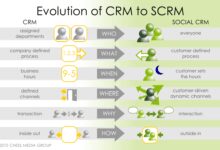
Traditional CRM platforms were largely reactive—recording interactions after they occurred.In contrast, AI-powered CRM software is proactive, anticipating customer needs before they arise..
“AI transforms CRM from a digital Rolodex into a strategic advisor.” — Salesforce Research, 2023
Early CRM systems focused on contact management and basic sales tracking. With the rise of cloud computing and big data, CRM evolved to include marketing automation and service ticketing. The integration of AI marks the next evolutionary leap—turning CRM into an intelligent engine for growth.
Top 7 Benefits of AI-Powered CRM Software
The advantages of adopting AI-powered CRM software extend across departments and organizational levels. From boosting sales efficiency to enhancing customer satisfaction, the impact is both measurable and transformative.
1. Hyper-Personalized Customer Experiences
AI analyzes vast datasets—including purchase history, browsing behavior, and social media activity—to deliver highly personalized content and recommendations.
- Dynamic email content that changes based on user behavior.
- Product suggestions tailored to individual preferences, similar to Amazon’s recommendation engine.
- Personalized pricing or discount offers based on customer value and engagement level.
This level of customization increases conversion rates and fosters loyalty. According to a McKinsey report, companies that excel at personalization generate 40% more revenue from those activities than average players.
2. Smarter Sales Forecasting and Pipeline Management
AI-powered CRM software uses predictive analytics to assess the health of your sales pipeline with remarkable accuracy.
- Identifies which leads are most likely to convert based on historical data and engagement metrics.
- Recommends optimal times for follow-ups using behavioral triggers.
- Forecasts quarterly revenue with greater precision, helping leadership make informed budgeting decisions.
For instance, Salesforce’s Einstein AI can predict deal closure probabilities within 85% accuracy, significantly reducing guesswork in sales planning.
3. Automated Routine Tasks and Workflows
One of the most immediate benefits of AI-powered CRM software is automation of repetitive, time-consuming tasks.
- Auto-populating contact records from email signatures or LinkedIn profiles.
- Scheduling meetings based on participant availability and past interaction patterns.
- Updating deal stages automatically when certain conditions are met (e.g., after a demo call).
This automation frees up sales and service teams to focus on high-value activities like relationship building and strategic planning.
4. Enhanced Customer Service with AI Chatbots
AI chatbots integrated into CRM platforms provide 24/7 support, handling common queries without human intervention.
- Answer FAQs about order status, returns, or account details.
- Escalate complex issues to human agents with full context from previous interactions.
- Learn from each conversation to improve future responses.
Companies like Zendesk and HubSpot use AI bots to reduce response times by up to 70%, improving customer satisfaction scores (CSAT) significantly.
5. Real-Time Sentiment Analysis
AI-powered CRM software can analyze customer communications—emails, calls, chats—to detect emotional tone and sentiment.
- Flags frustrated customers for immediate attention.
- Tracks brand perception over time across social media and support tickets.
- Helps tailor messaging to match customer mood and expectations.
This capability allows businesses to proactively manage relationships and prevent escalations before they occur.
6. Improved Lead Scoring and Qualification
Traditional lead scoring often relies on static rules (e.g., job title, company size). AI enhances this with dynamic, behavior-based scoring.
- Assigns scores based on website visits, content downloads, email opens, and social engagement.
- Adjusts scores in real time as prospects interact with your brand.
- Reduces false positives and ensures sales teams focus on the hottest leads.
Marketo’s AI-driven lead scoring, for example, has helped clients increase qualified lead conversion by 35%.
7. Data-Driven Decision Making Across Teams
AI-powered CRM software breaks down silos by providing unified insights across sales, marketing, and service teams.
- Marketing gets feedback on which campaigns generate the most engaged leads.
- Sales understand which tactics close deals faster.
- Service teams identify recurring issues that may require product improvements.
With dashboards powered by AI analytics, executives can make strategic decisions grounded in real-time customer intelligence.
How AI-Powered CRM Software Transforms Sales Teams
Sales teams are among the biggest beneficiaries of AI-powered CRM software. By automating administrative tasks and providing intelligent guidance, AI allows reps to sell smarter, not harder.
Intelligent Lead Prioritization
AI analyzes thousands of data points to determine which leads have the highest probability of conversion.
- Considers factors like engagement frequency, content consumption, and demographic fit.
- Surfaces “dark leads” — contacts who show interest but haven’t converted yet.
- Reduces time spent on unqualified prospects by up to 50%, according to Gartner.
This prioritization ensures that sales efforts are focused where they matter most.
Next-Best-Action Recommendations
Modern AI-powered CRM software doesn’t just show data—it tells reps what to do next.
- Suggests sending a case study after a prospect visits the pricing page.
- Recommends calling a lead who just attended a webinar.
- Alerts reps when a customer’s contract is nearing renewal.
These AI-driven nudges act like a virtual sales coach, improving consistency and performance across teams.
Voice Analytics and Call Intelligence
AI-powered CRM platforms now integrate with call systems to transcribe, analyze, and learn from sales conversations.
- Transcribes calls automatically and logs them in the CRM.
- Identifies key topics discussed, objections raised, and competitor mentions.
- Provides feedback on talk-to-listen ratios and emotional tone.
Tools like Gong and Chorus, when integrated with CRM, help managers coach reps more effectively and refine sales strategies based on actual conversation data.
Revolutionizing Marketing with AI-Powered CRM Software
Marketing teams leverage AI-powered CRM software to create smarter campaigns, improve targeting, and measure ROI with greater precision.
Predictive Campaign Optimization
Instead of relying on A/B testing alone, AI can predict which campaign variants will perform best before launch.
- Tests subject lines, CTAs, and images using machine learning models trained on past performance.
- Automatically deploys the winning version to maximize open and click-through rates.
- Adjusts ad spend in real time based on engagement signals.
This predictive capability reduces wasted budget and accelerates campaign success.
Dynamic Content Personalization
AI-powered CRM software enables marketers to deliver unique content experiences to each user.
- Website content changes based on visitor profile (e.g., showing enterprise solutions to C-level visitors).
- Emails adapt body text, offers, and images depending on recipient behavior.
- Landing pages are optimized in real time for higher conversion rates.
Adobe Experience Cloud, integrated with AI, has shown up to a 30% increase in conversion rates through dynamic personalization.
Customer Journey Mapping and Attribution
AI helps marketers understand the full path customers take before converting.
- Maps multi-channel touchpoints (email, social, search, ads) into a unified journey.
- Uses algorithmic attribution to assign credit to each touchpoint fairly.
- Identifies drop-off points and suggests optimizations.
This holistic view enables better resource allocation and campaign refinement.
AI in Customer Service: The Rise of Smart Support
Customer service is being redefined by AI-powered CRM software, shifting from reactive problem-solving to proactive relationship management.
AI Chatbots and Virtual Assistants
Chatbots powered by AI handle routine inquiries instantly, reducing wait times and operational costs.
- Resolve password resets, order tracking, and FAQ queries without human input.
- Use context from past interactions to provide coherent, personalized responses.
- Seamlessly transfer to live agents when needed, with full conversation history.
According to Forrester Research, chatbots can reduce customer service costs by up to 30% while improving resolution speed.
Sentiment-Driven Ticket Routing
AI analyzes the emotional tone of customer messages to prioritize and route tickets intelligently.
- Urgent, angry messages are escalated to senior agents immediately.
- Calm, informational queries are handled by junior staff or bots.
- Tracks sentiment trends to alert management of potential PR risks.
This ensures faster resolution for high-risk cases and improves overall customer satisfaction.
Self-Service Knowledge Bases with AI Search
AI enhances self-service portals by understanding natural language queries and delivering precise answers.
- Users type questions like “How do I cancel my subscription?” and get instant, accurate responses.
- AI learns from unresolved queries to improve knowledge base content.
- Reduces ticket volume by empowering customers to find solutions independently.
Companies like Microsoft use AI-powered knowledge bases to deflect over 40% of support inquiries.
Key Features to Look for in AI-Powered CRM Software
Not all AI-powered CRM software is created equal. When evaluating platforms, look for these essential features to ensure maximum ROI.
Real-Time Data Processing and Insights
The best AI-powered CRM systems process data as it happens, not in batches.
- Updates lead scores and recommendations instantly after each interaction.
- Triggers automated actions (e.g., sending a discount offer) in real time.
- Provides live dashboards showing current sales velocity and customer health.
Real-time processing ensures that decisions are based on the most current information available.
Seamless Integration with Existing Tools
AI-powered CRM software should integrate smoothly with your email, calendar, marketing automation, and ERP systems.
- Syncs with Gmail, Outlook, Slack, and Microsoft Teams for unified communication.
- Connects with tools like Mailchimp, Shopify, and QuickBooks for end-to-end workflow automation.
- Offers APIs and pre-built connectors to minimize setup time.
Integration depth determines how much friction you’ll experience during adoption.
Explainable AI and Transparency
AI decisions should be understandable, not black-box predictions.
- Shows why a lead was scored a certain way (e.g., “Visited pricing page 3 times”).
- Allows users to adjust model weights or rules if needed.
- Provides audit trails for compliance and training purposes.
Transparency builds trust and enables better collaboration between humans and AI.
Challenges and Ethical Considerations of AI-Powered CRM Software
While the benefits are immense, adopting AI-powered CRM software comes with challenges that organizations must address responsibly.
Data Privacy and Security Risks
AI systems require vast amounts of personal data, raising concerns about privacy and compliance.
- Must comply with regulations like GDPR, CCPA, and HIPAA.
- Requires robust encryption, access controls, and data anonymization practices.
- Risk of data breaches increases with centralized AI repositories.
Organizations must implement strong governance frameworks to protect customer information.
Bias in AI Algorithms
AI models can inherit biases from training data, leading to unfair treatment of certain customer segments.
- Example: A lead scoring model might undervalue leads from certain industries or regions.
- Mitigation requires diverse training data and regular bias audits.
- Human oversight is critical to catch and correct algorithmic discrimination.
As highlighted by the NIST AI Risk Management Framework, ethical AI deployment is a shared responsibility.
Over-Reliance on Automation
While automation improves efficiency, excessive dependence can erode human skills and empathy.
- Sales reps may stop thinking critically if AI always tells them what to do.
- Customers may feel alienated by overly scripted or robotic interactions.
- Balance is key: AI should augment, not replace, human judgment.
Training programs should emphasize collaboration between humans and AI.
Future Trends in AI-Powered CRM Software
The evolution of AI-powered CRM software is far from over. Emerging technologies promise even deeper integration and intelligence in the coming years.
Generative AI for Content Creation
Generative AI models like GPT are being embedded into CRM platforms to create sales emails, marketing copy, and support responses.
- Writes personalized outreach messages in the user’s voice.
- Generates meeting summaries and follow-up tasks automatically.
- Creates product descriptions and campaign slogans on demand.
Salesforce’s Einstein GPT is already enabling businesses to generate AI-written content directly within CRM workflows.
Emotion AI and Facial Recognition
Next-generation AI will detect emotions through voice tone, facial expressions, and typing patterns.
- Helps sales reps adjust their approach during video calls based on real-time emotional cues.
- Improves customer service by recognizing frustration or confusion.
- Raises ethical questions about consent and surveillance that must be addressed.
While promising, emotion AI requires careful implementation to avoid privacy violations.
Autonomous CRM Agents
Future CRM systems may feature autonomous AI agents that manage entire customer relationships.
- An AI agent could handle onboarding, upselling, and renewal for low-touch customers.
- Operates 24/7, learning and adapting without human intervention.
- Works alongside human teams, escalating only when necessary.
This shift could redefine job roles and organizational structures in customer-facing departments.
What is AI-powered CRM software?
AI-powered CRM software combines traditional customer relationship management tools with artificial intelligence to automate tasks, predict customer behavior, and deliver personalized experiences. It uses machine learning, natural language processing, and predictive analytics to enhance sales, marketing, and customer service operations.
How does AI improve customer service in CRM?
AI enhances customer service through chatbots that handle routine queries, sentiment analysis that detects customer emotions, and smart ticket routing that prioritizes urgent cases. It also powers self-service knowledge bases and reduces response times, leading to higher satisfaction and lower costs.
Can AI-powered CRM software replace human sales teams?
No, AI-powered CRM software is designed to augment, not replace, human sales teams. It automates repetitive tasks, provides data-driven insights, and suggests next actions, allowing sales reps to focus on building relationships and closing complex deals. Human empathy and judgment remain irreplaceable.
What are the risks of using AI in CRM?
Risks include data privacy violations, algorithmic bias leading to unfair treatment, over-reliance on automation, and lack of transparency in AI decisions. Organizations must implement strong data governance, conduct regular audits, and ensure human oversight to mitigate these risks.
Which CRM platforms offer the best AI capabilities?
Top platforms with advanced AI include Salesforce Einstein, HubSpot AI, Microsoft Dynamics 365 AI, Oracle Adaptive Intelligence, and Zoho Zia. Each offers unique strengths in predictive analytics, automation, and conversational AI, making them leaders in the AI-powered CRM software space.
The rise of AI-powered CRM software marks a pivotal shift in how businesses manage customer relationships. From hyper-personalization to predictive analytics and intelligent automation, these systems are not just tools—they’re strategic partners in growth. While challenges around ethics and implementation remain, the potential for increased efficiency, customer satisfaction, and revenue growth is undeniable. As AI continues to evolve, so too will the capabilities of CRM, paving the way for smarter, more human-centric business interactions. The future of CRM isn’t just intelligent—it’s indispensable.
Recommended for you 👇
Further Reading: